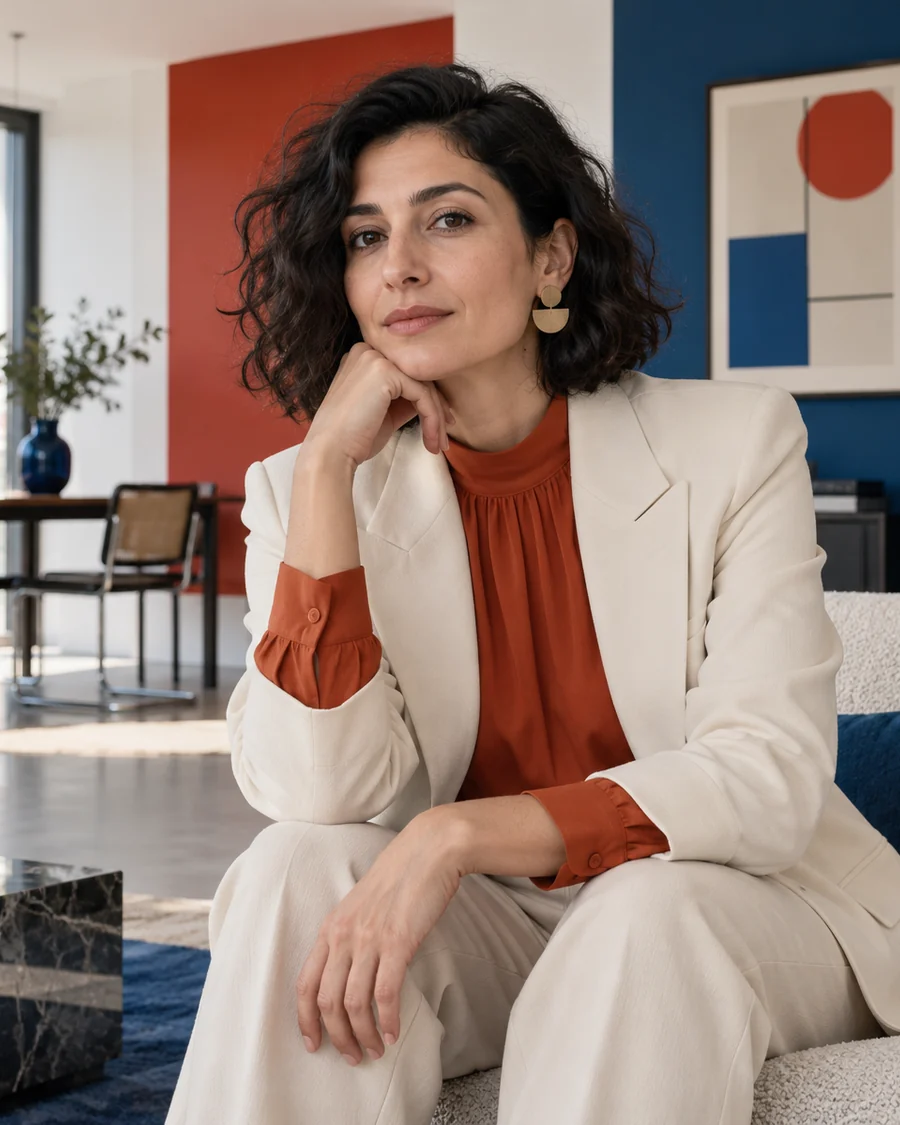
Systems thinker
Leyla Arden
Ask Leyla to break down a privacy promise into technical, contractual, and local levels. She should mark assumptions, not pretend certainty, and end with three concrete check questions.
Test prompt direction →A German review guide to Venice AI: which models are available, how the privacy paths differ, and what to check before sensitive or paid tasks.
View Venice ↗The people shown are not Venice models and not real people. They are specially created, fully clothed fictional adults that make different prompt styles tangible. This allows testing tone, context fidelity, and creative range without attributing Venice companion catalog characteristics.
Systems thinker
Ask Leyla to break down a privacy promise into technical, contractual, and local levels. She should mark assumptions, not pretend certainty, and end with three concrete check questions.
Test prompt direction →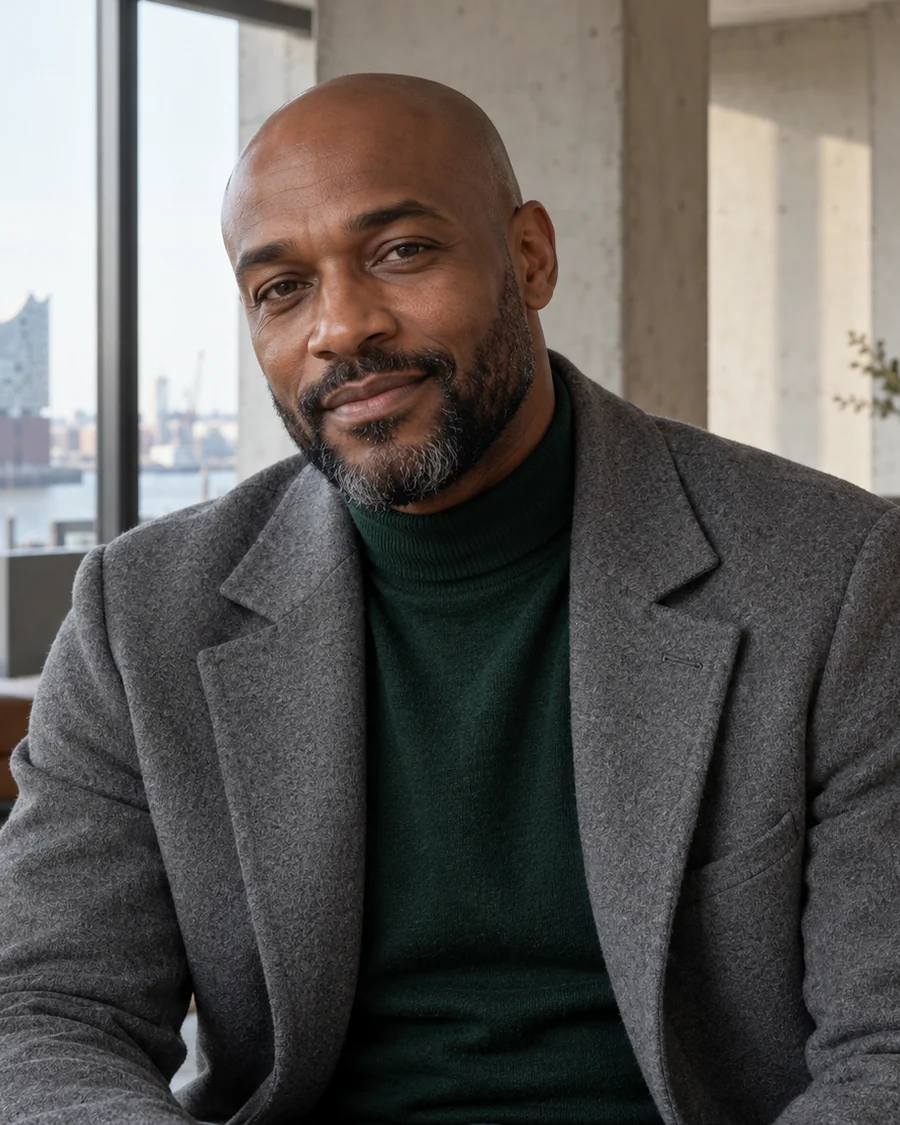
Sober mentor
Give Malik an overloaded plan. He should prioritize risks, cut unnecessary steps, and distinguish between reversible experiments and hard-to-undo decisions.
Test prompt direction →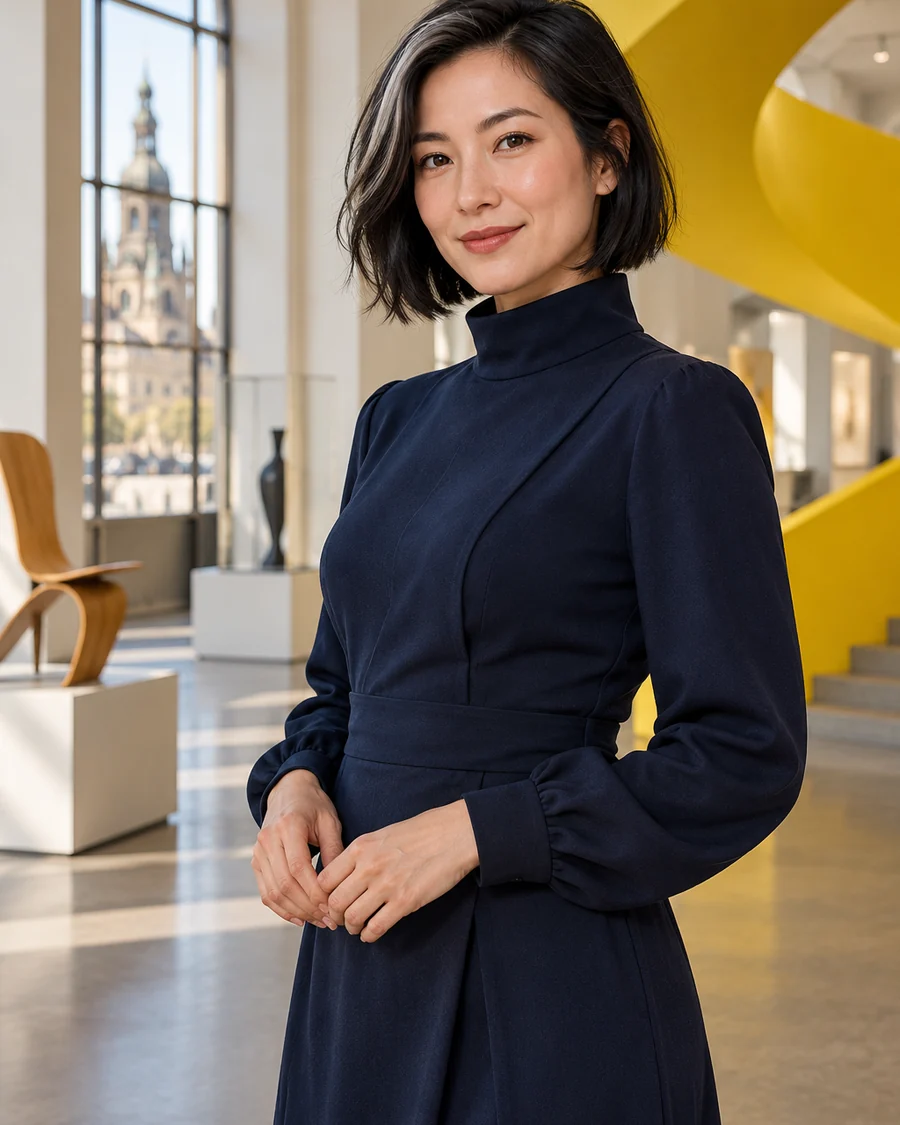
Dialogue architect
Use Mina for a witty but non-explicit scene between adult characters. Each response should strengthen subtext, shorten exposition, and offer a surprising, logically prepared twist.
Test prompt direction →
Fact editor
Konrad should sort every factual claim by certainty: proven, plausible, unclear, or speculative. He must not invent sources; missing primary evidence should be visibly marked as a research task.
Test prompt direction →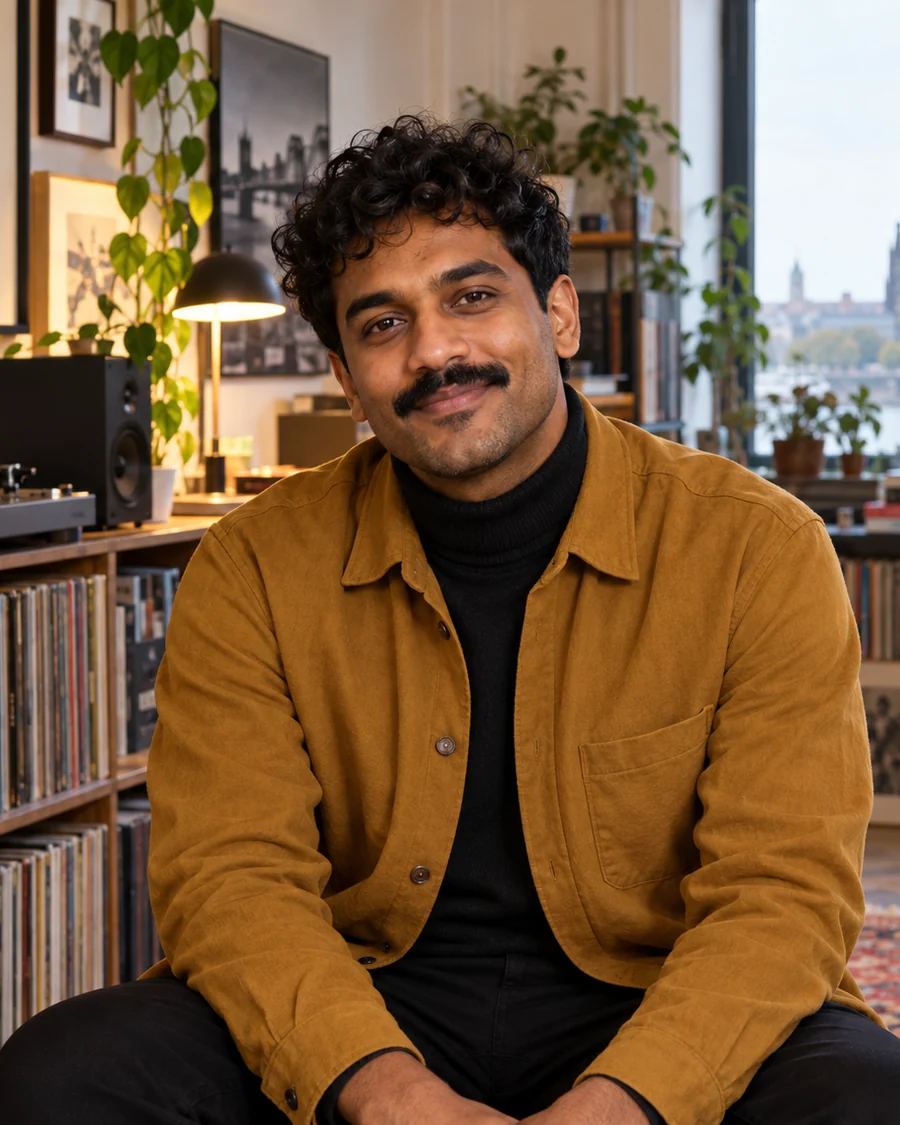
Culture remixer
Have Arun transfer a safe creative idea into audio drama, mini essay, image prompt, and stage dialogue. He should preserve the core but consistently change rhythm and perspective for each format.
Test prompt direction →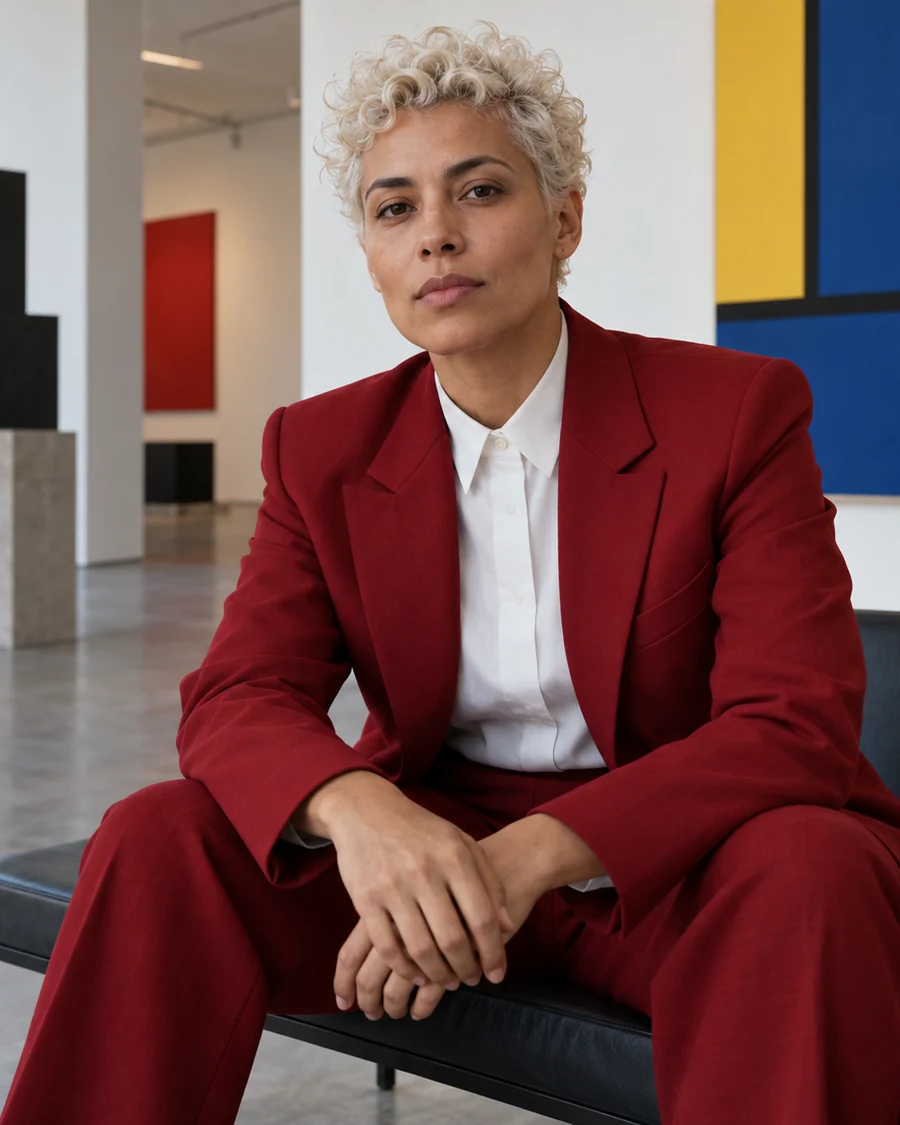
Concept curator
Ask Nico for three visual concepts without artist imitation: one strictly geometric, one organic, and one documentary. Each direction needs its own color rules, material feel, and a clear exclusion list.
Test prompt direction →Media note: All portraits show fictional adults and were editorially checked for adult appearance, full clothing, and non-explicit depiction. Names, professions, and prompt ideas are independent examples, not official Venice figures or documented Venice outputs.
Venice describes the modes Anonymous, Private, TEE, and E2EE on its privacy page. They are not mere quality levels but different trust models. Sometimes identity is mainly hidden from a third-party provider, sometimes a no-storage commitment applies, sometimes hardware-based isolation is added. Therefore, the mode should match the risk of the specific prompt.
Venice explains that its own proxy should hide the user's identity from the external model provider. At the same time, the privacy page points out that the provider can see the actual content and store it according to its own policy. This mode is therefore suitable for broad model access, but not as proof that a prompt is known to no one but you.
In Private mode, inference should take place on GPUs controlled by Venice or with partners bound to zero-data-retention. This is a different promise than mere anonymization, but remains partly organizational and contractual. Check the active model and current description before assuming no storage. Even then, browser profile, device, clipboard, and exports remain possible data sources.
Trusted Execution Environments are intended to process requests in an isolated hardware environment. Venice describes remote attestation as a way to verify the intended environment. This strengthens the technical trust model, but according to the provider may be slower and include fewer models. For a sensitive, time-insensitive text, this trade-off can make sense; for quick web research, perhaps not.
With E2EE, the browser should encrypt the prompt and only a verified trusted environment should decrypt it. Venice calls this the strongest mode and explains that normal content data should then not be visible even to Venice. However, web search and memory are missing, the model selection is smaller, and the response may take longer. More protection here deliberately means less convenience.
A less restrictive AI is only useful if it solves the task better. A fair test begins with harmless, reproducible prompts, compares multiple models, notes the active privacy mode, and evaluates facts, tone, and rule adherence separately. Personal data, trade secrets, and identifiable third parties do not belong in a mere product trial.
Formulate a task that makes style and context fidelity visible but contains no private information. Suitable is, for example, a short scene between two clearly adult fictional people with a clear tone specification, length limit, and non-explicit boundary. Have two models solve the same task. This way you can see whether less restriction actually brings more quality or just produces more verbose but arbitrary answers.
Note not only the model name. Also record whether Anonymous, Private, TEE, or E2EE was active, which tools were available, and how long the response took. If web search or memory is missing in the stronger mode, that is not a hidden error but part of the described compromise. A comparison without this information mixes privacy, speed, and model quality.
Check claims against primary sources, look for contradictory details, and remove stereotypical shortcuts. For image ideas, rights, resemblance to real people, and possible trademarks are part of the check. An uncensored environment shifts decision-making space to the user; it does not free them from responsibility. Save only what you need, and delete local history, exports, and drafts according to your own retention plan.
With Venice, one must consider feature access and privacy level separately. A well-known frontier model may be available in Anonymous mode, while a technically more protected mode offers fewer models. The table places the provider's statement next to the check that users should perform themselves before a sensitive task.
Anonymous offers, according to Venice, access to leading closed models behind a proxy.
Check whether the specific model provider can store content and remove identifiers from the prompt.
Private should use zero-data-retention on Venice hardware or correspondingly bound partners.
Check the mode, current documentation, and local traces on browser, device, and backup.
TEE and E2EE use, according to the provider, isolation and attestation on selected Pro models.
Accept lower selection, missing tools, or higher latency only if they fit the work goal.
Open models and fewer blanket blocks are intended to enable creative and controversial exchange.
Assess legality, facts, consent, and possible harm yourself; no label takes over this check.
The following screenshots come from the publicly accessible Venice page and were taken on 19. October 2026. They document the interface and self-presentation, not the invisible processing of each individual request. Our image texts therefore explain what can actually be observed and which question remains open afterward.
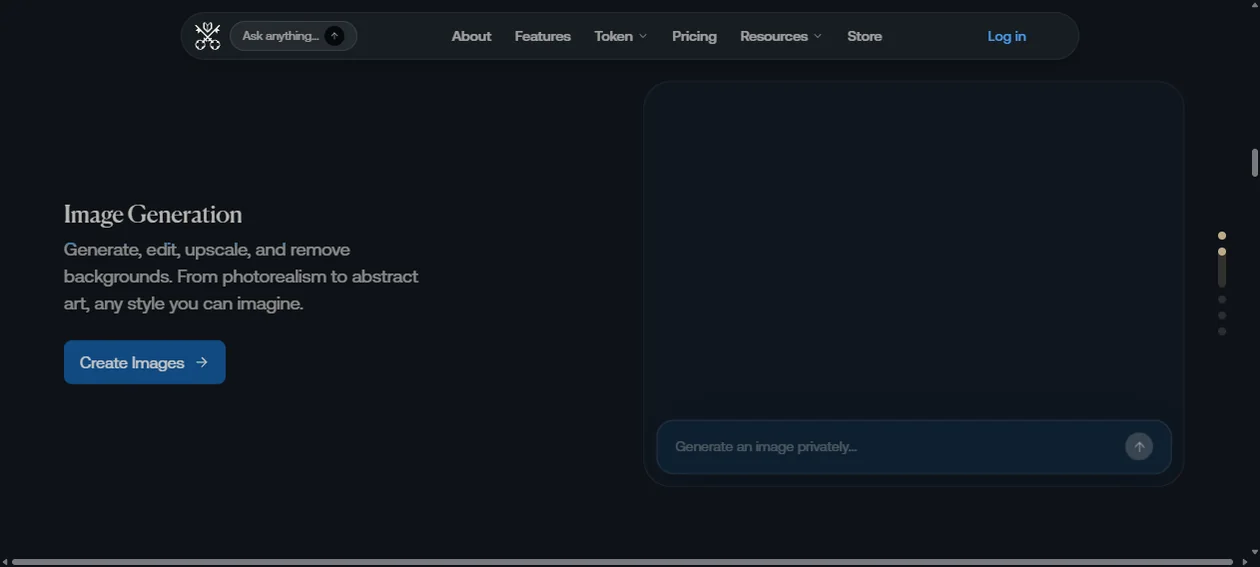
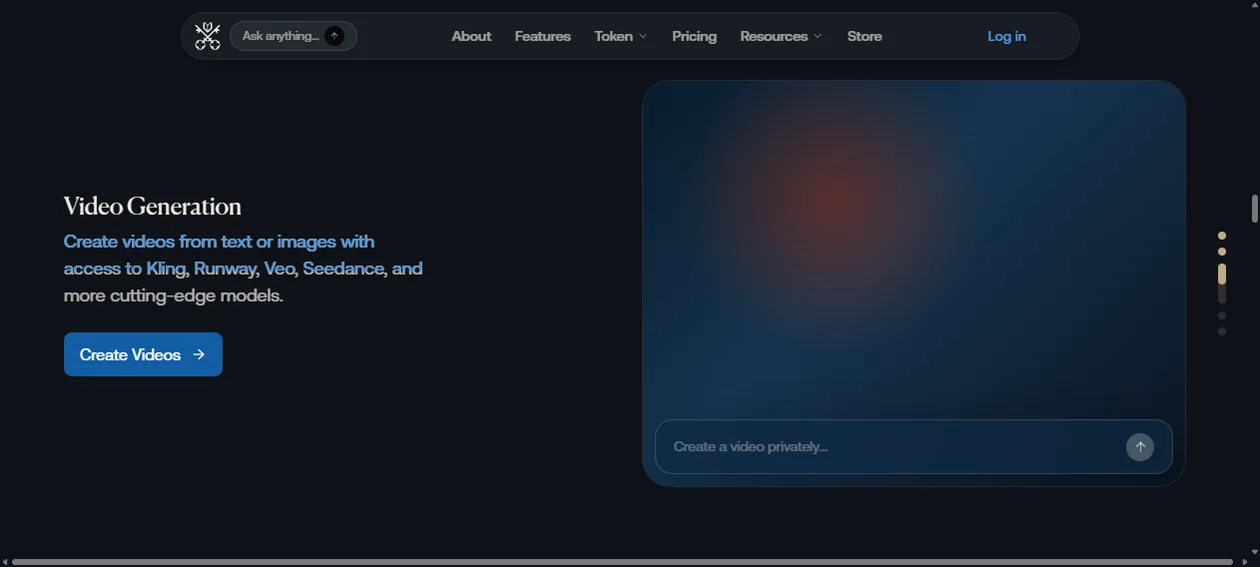
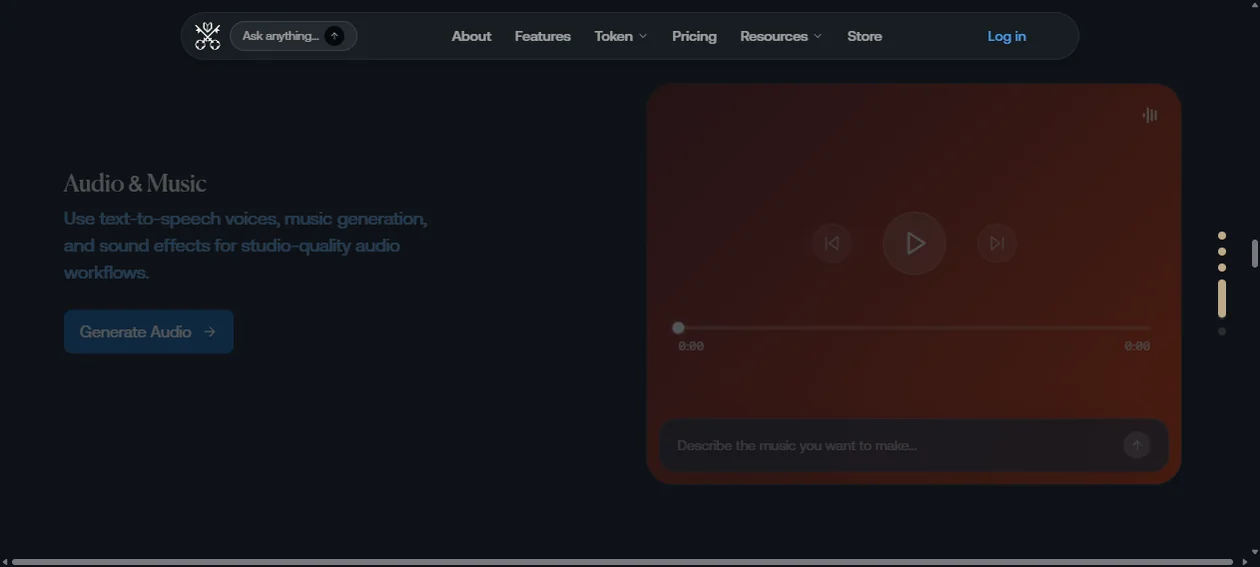
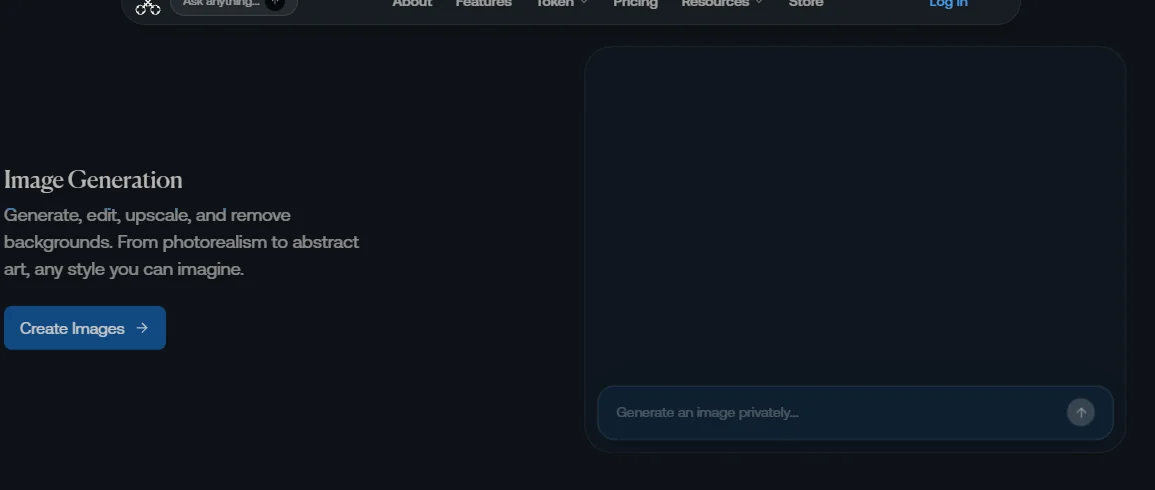
Venice can be exciting for adult users who want to switch between models, prefer local chat histories, and do not want creative work slowed down by blanket standard answers. The service seems especially useful for drafts, worldbuilding, stylistic variations, private idea collections, and image concepts. Positively, Venice now names its privacy paths in a differentiated way instead of labeling every request with the same private tag.
The service neither replaces source checking, legal advice, nor a secure vault. In Anonymous mode, an external model provider can see and store content; in Private mode, parts of the protection rely on contracts and operational practice; TEE and E2EE limit selection or features. Uncensored does not automatically mean correct, legal, without consequences, or free of model limits. Whoever can minimize sensitive data should do so regardless of the chosen mode.
View Venice ↗Venice explicitly positions the service as uncensored and permissionless. Open models can answer lawful creative or controversial questions where other assistants block faster. An absolute answer guarantee does not follow from this: models have their own training limits, system behavior, and quality issues. Also, laws and current terms of use apply. Therefore, test your specific harmless use case instead of reading the word as a free pass.
Venice says that chat history stays locally in the browser and its own proxy does not store prompts and answers. However, for the actual inference, the mode decides. Anonymous can send content to a provider with its own storage; Private, TEE, and E2EE stand for other protection levels. Local data on your computer, screenshots, exports, and synced browser profiles remain outside this promise.
Venice describes E2EE as the strongest mode because encryption starts on the device and decryption only happens in a verified TEE. The mode requires Pro, offers fewer models, and forgoes web search and memory. Even there, data minimization should come first: replace names, remove unnecessary details, and ideally do not send real secrets to an AI system at all.
No. The six people are original fictional adults of this independent editorial team. Their names, roles, and conversation ideas serve only as prompt examples. They are neither real people nor Venice employees, integrated personas, or verifiably Venice-generated images. The clear separation prevents a general AI service from being falsely described as a companion catalog.
First check with the currently available access whether tone, model selection, and interface match your tasks. Pro can be relevant if you need legitimate TEE or E2EE models. Prices, quotas, and model lists can change, which is why this guide makes no fixed performance or price promise. Decide based on repeatable tests, not solely on the privacy label or the promise of uncensored answers.
Venice documents its own privacy modes and model compatibility. The BSI publication adds an independent authority perspective on risks, protective measures, and conscious use of generative AI.